Sydney fire safety is more than simply checking boxes. The Annual Fire Safety Statement is the central element of the system. It’s not just about meeting the legal demands, but also proves the owner’s dedication and dedication to safety. When paired with the Fire Safety Certificate, it is the base of an organized framework that keeps the occupants safe, insurance companies reassured, and councils confident in the safety of the city’s buildings.
Why is there an Annual Fire Safety Statement
The requirement for an annual Fire Safety Statement Sydney was not designed as an exercise on paper. Fire protection systems are only effective if they’re regularly maintained checked, tested and certified. Although it may appear like a sprinkler that was installed in the past 10 years is functioning just fine, but it can’t be able to function in a situation of emergency when the system hasn’t been tested.
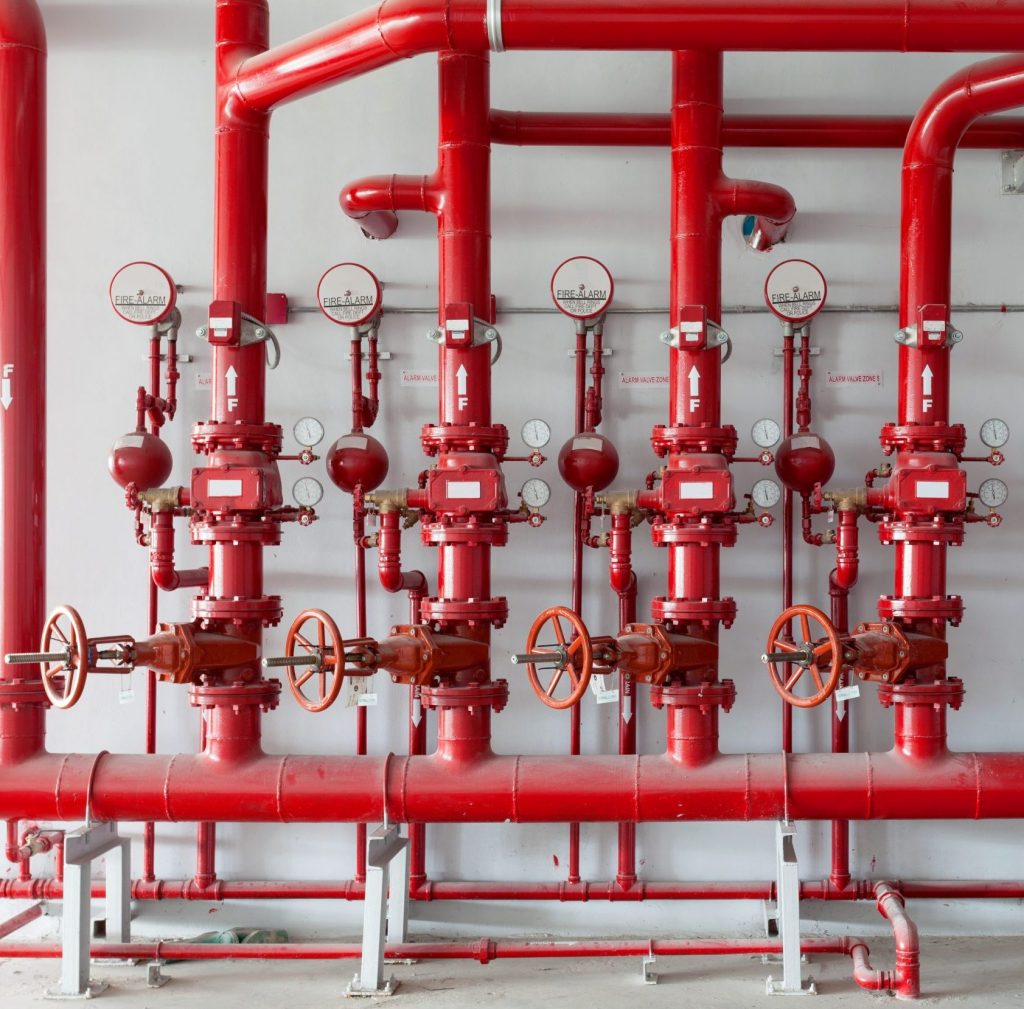
The AFSS demands that owners prove each year that all of their fire safety features that include alarms, exit lighting, and hydrants are up to requirements originally set out in the Building Code of Australia. It’s not just an inspection. It is a declaration to the public that lives are secure and that the building can be able to stand up to an emergency.
What is the difference between AFSS and Fire Safety Certificates?
Owners often mistake the Fire Safety Certificate with the annual statement, but these two certificates serve distinct functions. The certificate is issued after a new system is installed or when major upgrades are completed. It’s a way of confirming that the new measures are compliant with regulations before the building can be used or rental. The AFSS comes after. It’s a recurring duty that ensures the systems comply with standards every year.
Together, they form a cycle of protection: certificates verify that the security systems have been properly installed, as annual reports verify that the safety systems are maintained for the duration of the structure. In the event of a failure to follow each step can weaken the entire chain.
The Responsibilities owed to Building Owners
One of the distinct features of the AFSS process in New South Wales is that it puts the ultimate responsibility on the property owner. The AFSS process is different from other systems of compliance that allow defects to be classified as minor and major. If even one element fails the entire report cannot be validly issued.
Owners must be proactive. To keep deadlines in mind, they should arrange inspections, find accredited practitioners, schedule repairs, and submit documents to the council. Commercial landlords and strata councils are also responsible for coordination with contractors, tenants, and insurers, and contractors. While it can be challenging, the structure was designed to ensure security will never be affected.
The Effects of AFSS on Sydney
The AFSS is not only concerned with legal compliance. It also has wider implications. When renting spaces, tenants are often asked whether the current safety declaration of the building. Insurance companies also often request copies prior to deciding their insurance coverage. A current Annual declaration on fire safety can affect the value of a property the tenant’s confidence in the building, and even insurance premiums.
For councils, it provides reassurance that thousands of buildings throughout Sydney are continuously monitored. For fire authorities, it means systems are more likely to operate during emergencies, which can reduce the risk to occupants as well as firefighters. The AFSS is not only about protecting individual buildings, but also creates a safer city.
Conclusion: AFSS As a Standard of Trust
The requirement to have an annual Fire Safety Declaration Sydney could be seen as an administrative hurdle however it’s really an indication of trust. The declaration demonstrates that the safety of fire isn’t a matter of fate. It is a proof of the quality of equipment, and that homeowners are accountable for the safety of their inhabitants. It’s a component of a system that tests the system’s installation and the implementation of vital safety measures.
For property owners, the lesson is clear: the AFSS is more than an annual deadline. It is a commitment to security, accountability, and community trust. In the fast-growing urban sprawl of Sydney in which thousands of people depend on safe and compliant structures, this commitment is what makes the AFSS important.